
I. Overview of Laser Welding Machines:
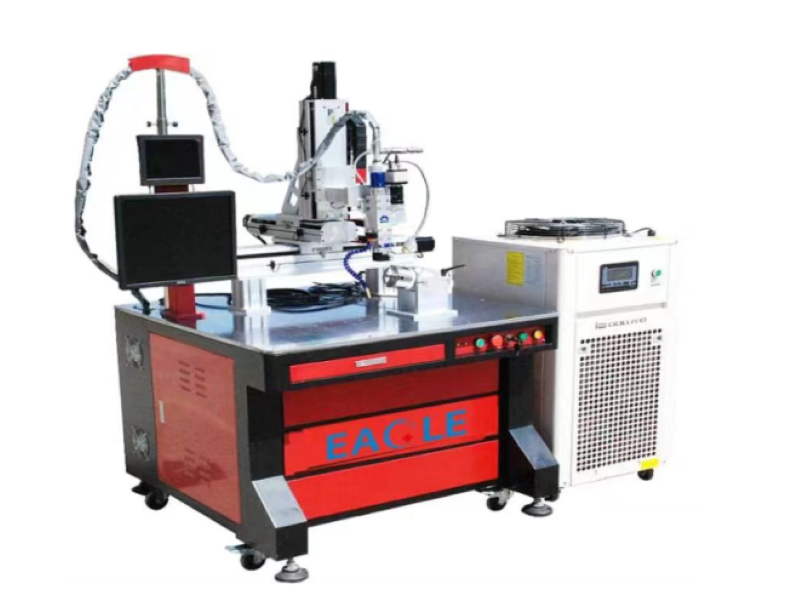
Laser welding machines play a vital role in modern manufacturing. They utilize high-energy-density laser beams as a heat source, providing an efficient solution for precision welding.
(I) Detailed Explanation of Working Principle: The heat conduction principle of laser welding machines involves radiating heat to the workpiece surface, allowing the heat to penetrate into the material and melt it. Laser deep melting, on the other hand, uses a continuous laser beam to rapidly absorb energy, achieving welding. Pulsed laser welding produces ≤100 light spots per second, while continuous laser welding can reach ≤5000 light spots per second, allowing selection based on different needs.
(II) Diverse Classifications: Laser welding machines come in various types, including laser mold welding machines specifically designed for mold repair and suitable for various mold sizes. Automatic laser welding machines are suitable for the automatic welding of metal workpieces, such as those used in mobile phone batteries and jewelry industries. Jewelry laser welding machines are mainly used for filling holes and spot welding in gold and silver jewelry, capable of welding complex and intricate patterns. Different types of laser welding machines meet the welding needs of various fields.
II. How to Choose a Laser Welding Machine:
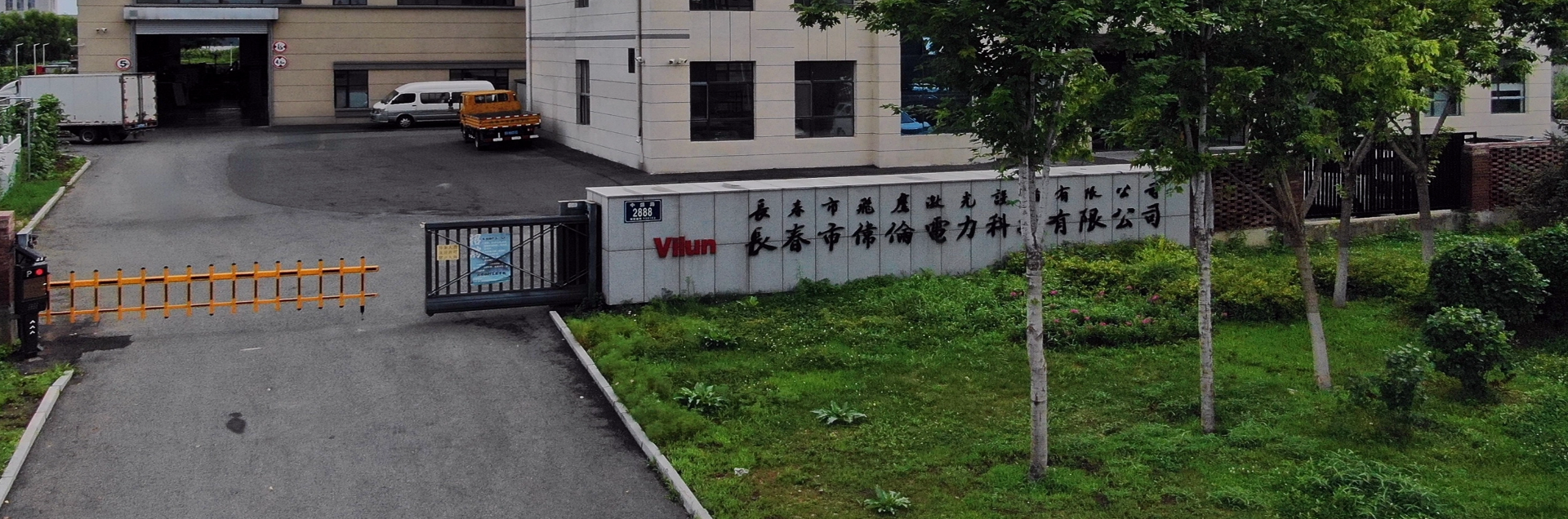
(I) Brand Selection: Changchun Feiying Laser Co., Ltd., with its thousands of square meters of modern factory space, is a laser equipment company integrating R&D, manufacturing, and sales services. Its main products have an annual production capacity of over 2,000 units, serving over 500 domestic and international customers. The company is committed to providing customers with efficient laser equipment solutions and has secured a place in the market through excellent after-sales service and continuous technological innovation. When choosing a brand, refer to user reviews and industry comments to understand the brand's reputation, history, and market share to ensure a reliable product selection.
(II) Reasonable Power Configuration: Different welding needs require different power configurations. For example, welding thinner materials, such as mobile phone batteries and other small electronic products, may be more suitable with low-power equipment; while for fields requiring welding thicker materials, such as automobile manufacturing, higher-power equipment is usually required. When determining the power configuration, the welding material and thickness should be considered. Generally, different materials and thicknesses require laser welding machines with different power to achieve the best welding results. Simultaneously, welding speed and efficiency must be considered. Based on production needs and capacity requirements, an appropriate power configuration should be selected to ensure the expected welding speed and efficiency are achieved. Furthermore, costs must be comprehensively considered, balancing the price of the laser welding machine with the expected return on investment.
(III) Balancing Price Factors: When selecting a laser welding machine, one should not only focus on price but also balance performance and price. On the one hand, the purchase cost of the equipment itself must be considered. Laser welding machine prices on the market vary depending on brand, model, power, etc., generally ranging from several thousand to tens of thousands of yuan. Higher power and more functions typically result in higher prices. On the other hand, maintenance costs and after-sales service must be considered. Choosing a brand with good after-sales service ensures timely resolution of problems encountered during use, reducing downtime losses due to equipment failure. Therefore, when selecting a laser welding machine, factors such as price, quality, and performance should be comprehensively considered to select equipment with a high cost-performance ratio.
III. Advantages of Laser Welding Machines:
(I) Efficient and Convenient Welding Process: Continuous Laser Welding machines are highly automated and easy to operate. Due to its small focused spot size and high weld seam positioning accuracy, auxiliary time is significantly reduced. Welding speed is fast, 2-10 times faster than traditional welding, enabling rapid completion of welding tasks. The heat-affected zone is small, resulting in workpieces without deformation or weld spatter. Post-weld treatment is minimal or requires only simple processing, reducing grinding steps and saving time and costs. For example, in the mobile phone manufacturing industry, continuous laser welding machines can quickly and accurately weld mobile phone batteries and components, improving production efficiency.
(II) Green and Environmentally Friendly Welding Method: Laser welding eliminates the need for electrodes, avoiding electrode contamination or damage and minimizing environmental impact. Compared to traditional argon arc welding, laser welding does not produce large amounts of welding dust and slag, making it more environmentally friendly and safer. This advantage of continuous laser welding machines is particularly evident in industries with high environmental requirements, such as the medical and electronics industries.
(III) Wide Welding Applicability: Continuous laser welding machines can weld a very wide range of materials. It can weld most metallic materials, such as steel, aluminum, copper, and molybdenum, as well as non-metallic materials like plastics, ceramics, quartz, carbon fiber, and glass. It can even weld different types of materials together. In electronic component welding, such as circuit boards, chips, and sensors, laser welding also plays an excellent role. For example, in the automotive manufacturing industry, continuous laser welding machines can weld automotive parts made of different materials, improving the overall performance of the product. At the same time, continuous laser welding machines are highly flexible, capable of welding hard-to-reach areas, performing non-contact, long-distance welding, and adapting to various complex welding needs.
These are some aspects to consider when choosing a continuous laser welding machine. You can use these aspects as a basis for your selection in the future. Hopefully, this information will be helpful.